Freedom In Expression: Joy In Creativity with Empower Women For Change
Over the past few months, I’ve had the pleasure of working as Lead Visual Artist on Freedom in Expression: Joy in Creativity, a participatory creative wellbeing programme led by Empower Women for Change. Developed with and for ethnic minority women, including refugees and women seeking asylum, the project brought women together from April to November 2026 over a series of workshops to explore creativity, share experiences and discover new ways of expressing themselves.
At the heart of the project was a belief that everyone has creativity within them, regardless of their previous experience or artistic confidence. I was interested in what might happen when we create the time and space to explore that creativity without pressure or expectation, and how making together can open up opportunities for connection, reflection and personal growth.
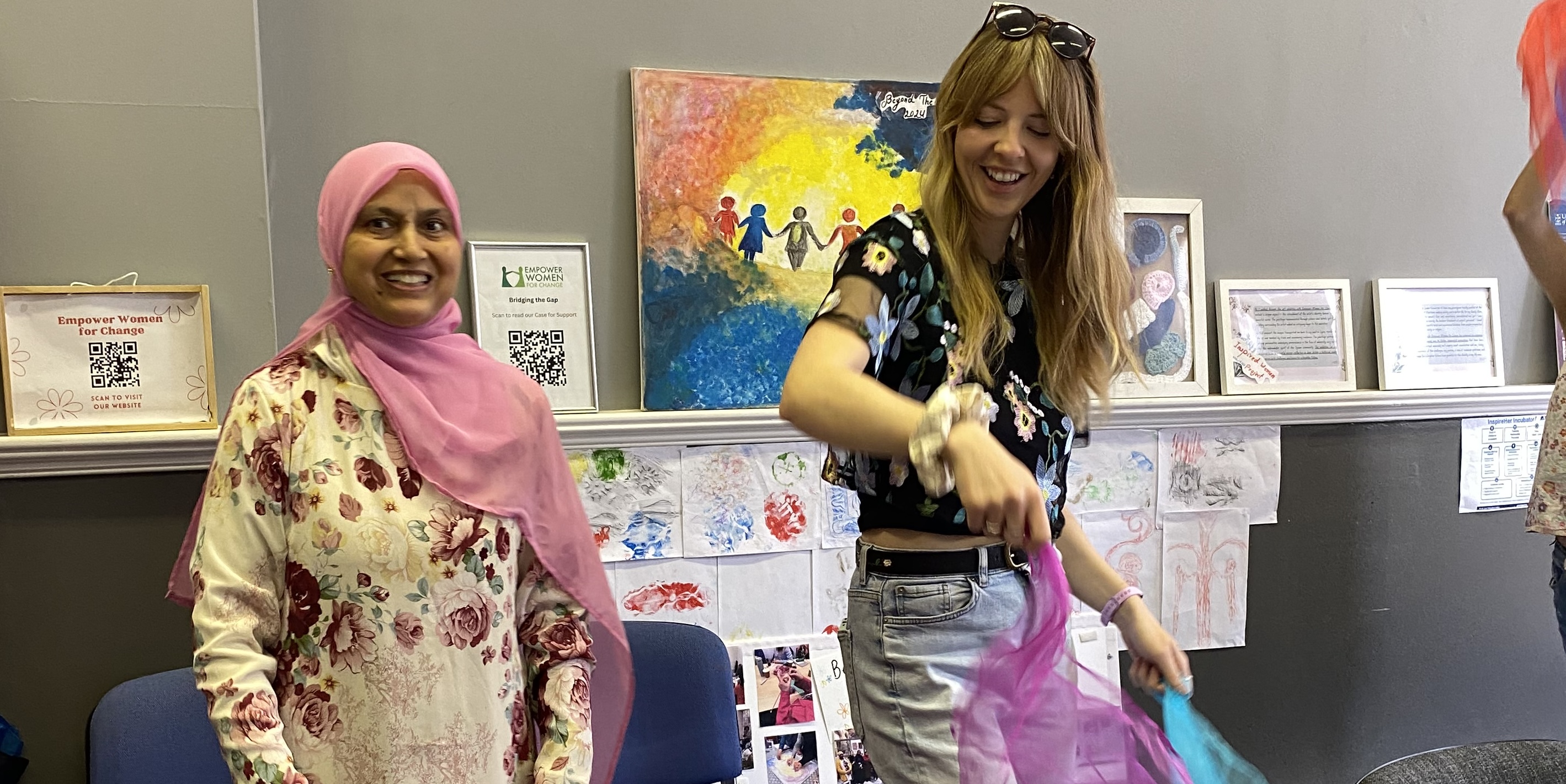
Working alongside a wellbeing practitioner, we brought together visual arts, movement and mindful practice to offer different pathways into creative expression. These approaches complemented one another in ways I found particularly valuable. Sometimes creativity began with a conversation or a piece of music; at other times, it started with a movement, a feeling or simply the experience of working with our hands. Slowing down, tuning into the body and stepping away from everyday pressures created room for curiosity and experimentation, allowing ideas to emerge and individual approaches to take shape.
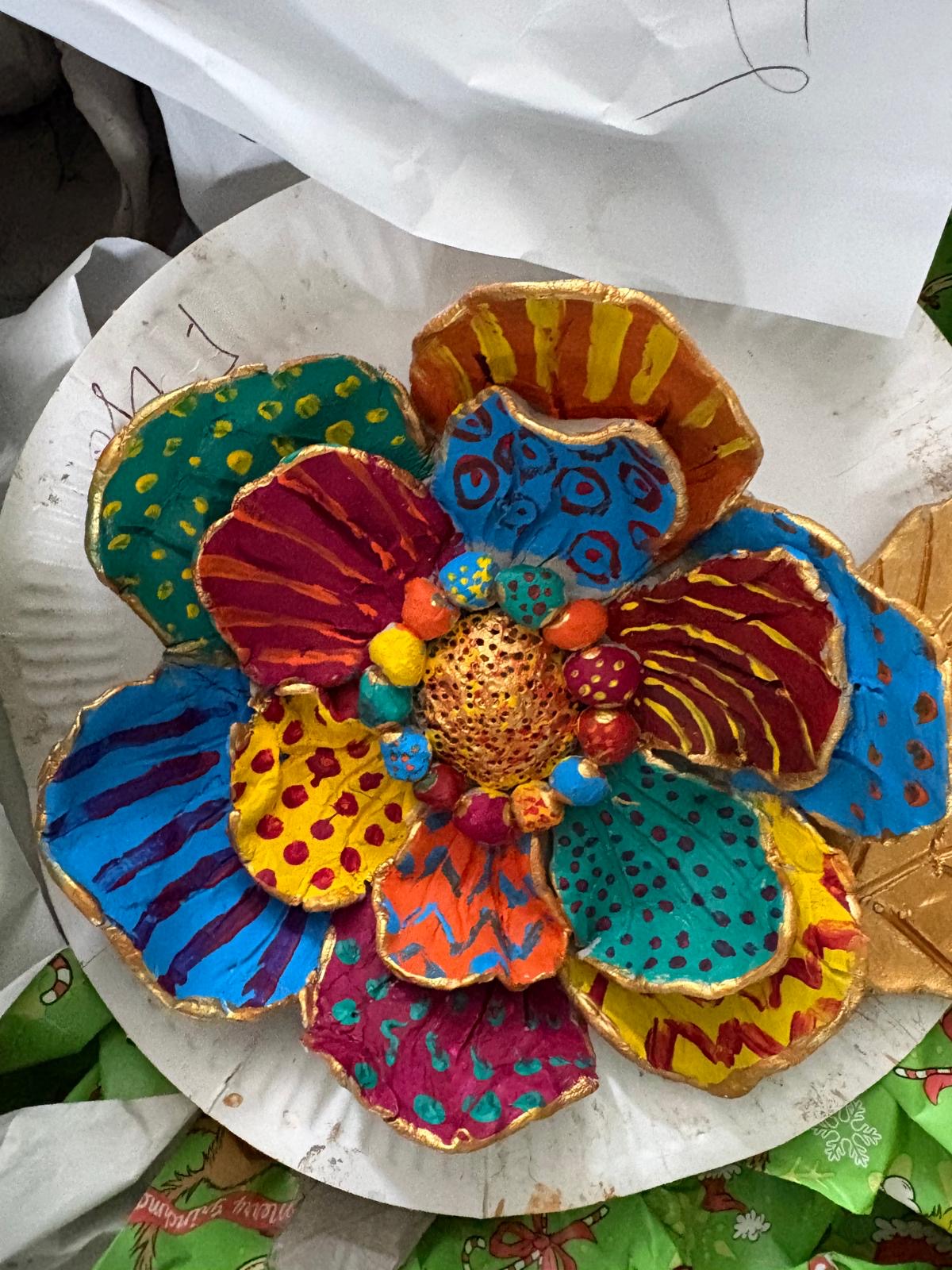
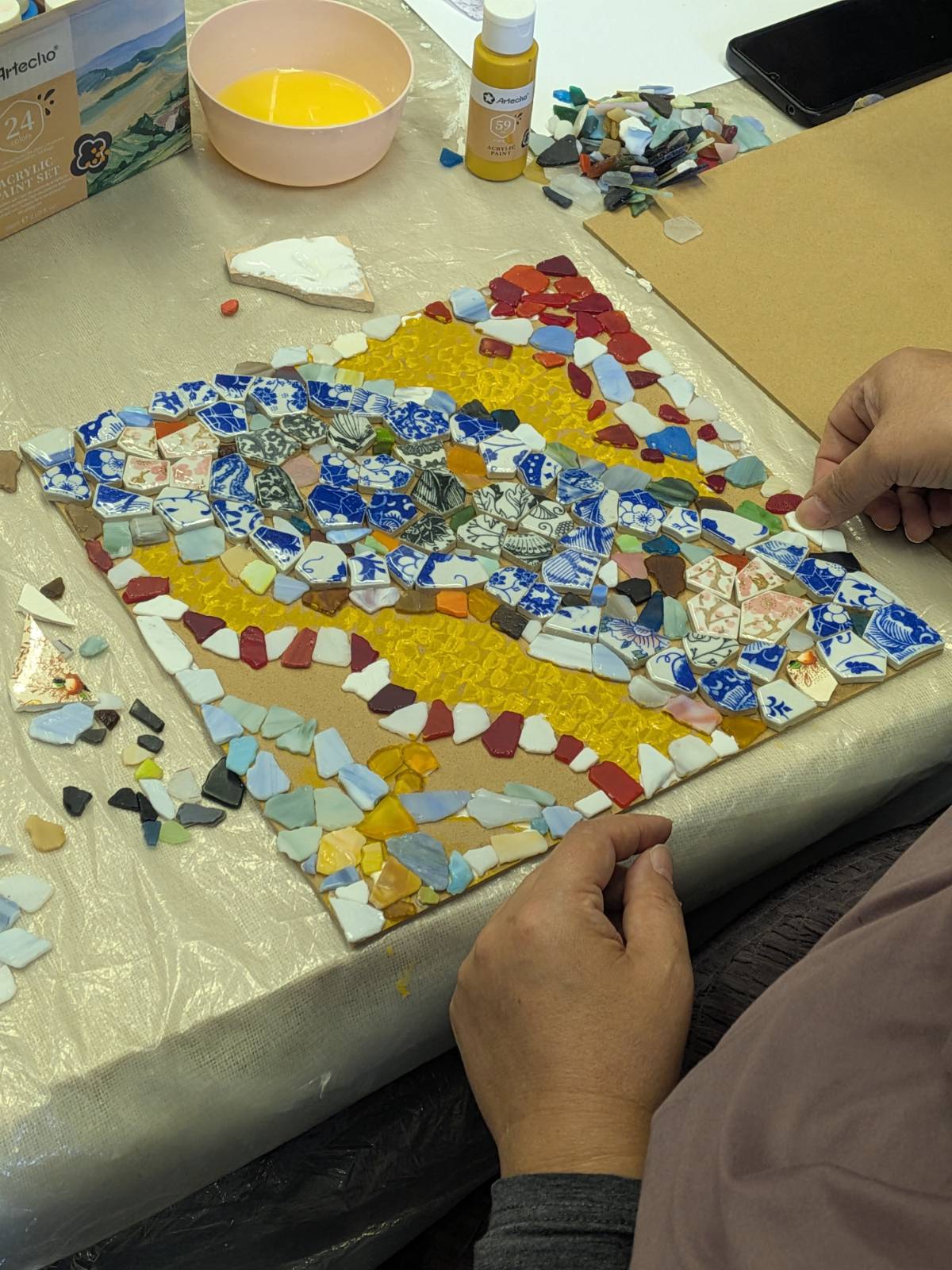
Across the programme, we explored a wide range of creative approaches, including clay sculpture, mosaic, textiles, stained glass and collage, alongside movement, yoga and mindfulness. Participants drew inspiration from one another, their own life experiences, everyday moments and the world around them. What interested me most was seeing how an initial idea or shared activity could develop in so many different directions, with each woman finding her own way of interpreting and responding to it.
We returned to a number of themes throughout the project, including freedom, strength, resilience, identity and belonging. Through creative activities and conversations, we explored the expectations and responsibilities women carry, where we find strength, and what freedom might look and feel like in our own lives. We considered the things that bring us peace and joy, the people and places that support us, and the experiences that shape who we are.
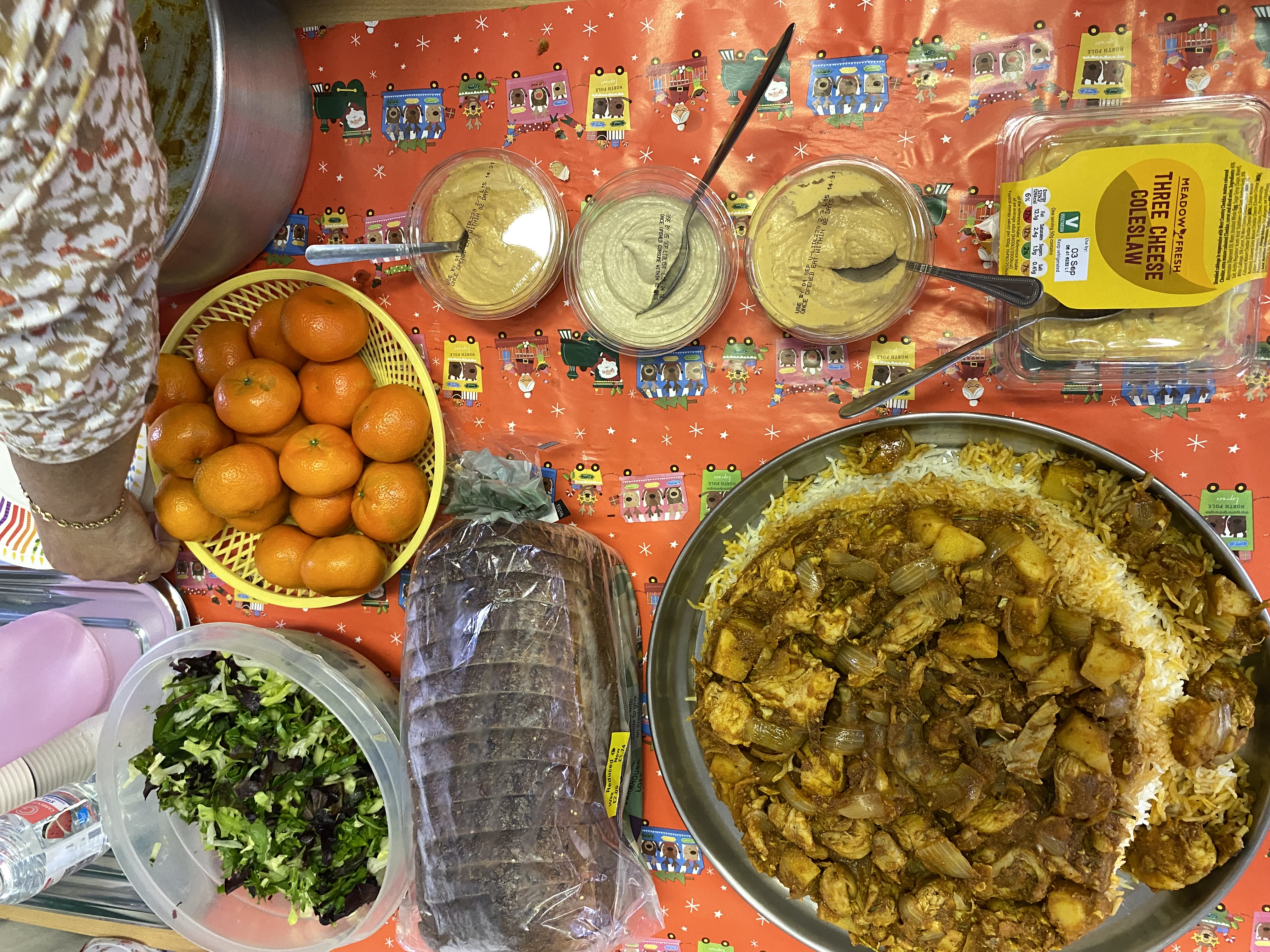
These conversations were never about arriving at one shared understanding. Rather, they offered opportunities to listen, reflect and recognise both our differences and the experiences that connect us. The group brought together women with different cultures, languages, backgrounds and perspectives. Sharing food and recipes, exchanging stories and learning about one another became just as important as the creative activities themselves. Over time, I saw relationships develop and confidence grow, with women becoming increasingly comfortable sharing ideas, trying unfamiliar materials and expressing what they wanted from the sessions.
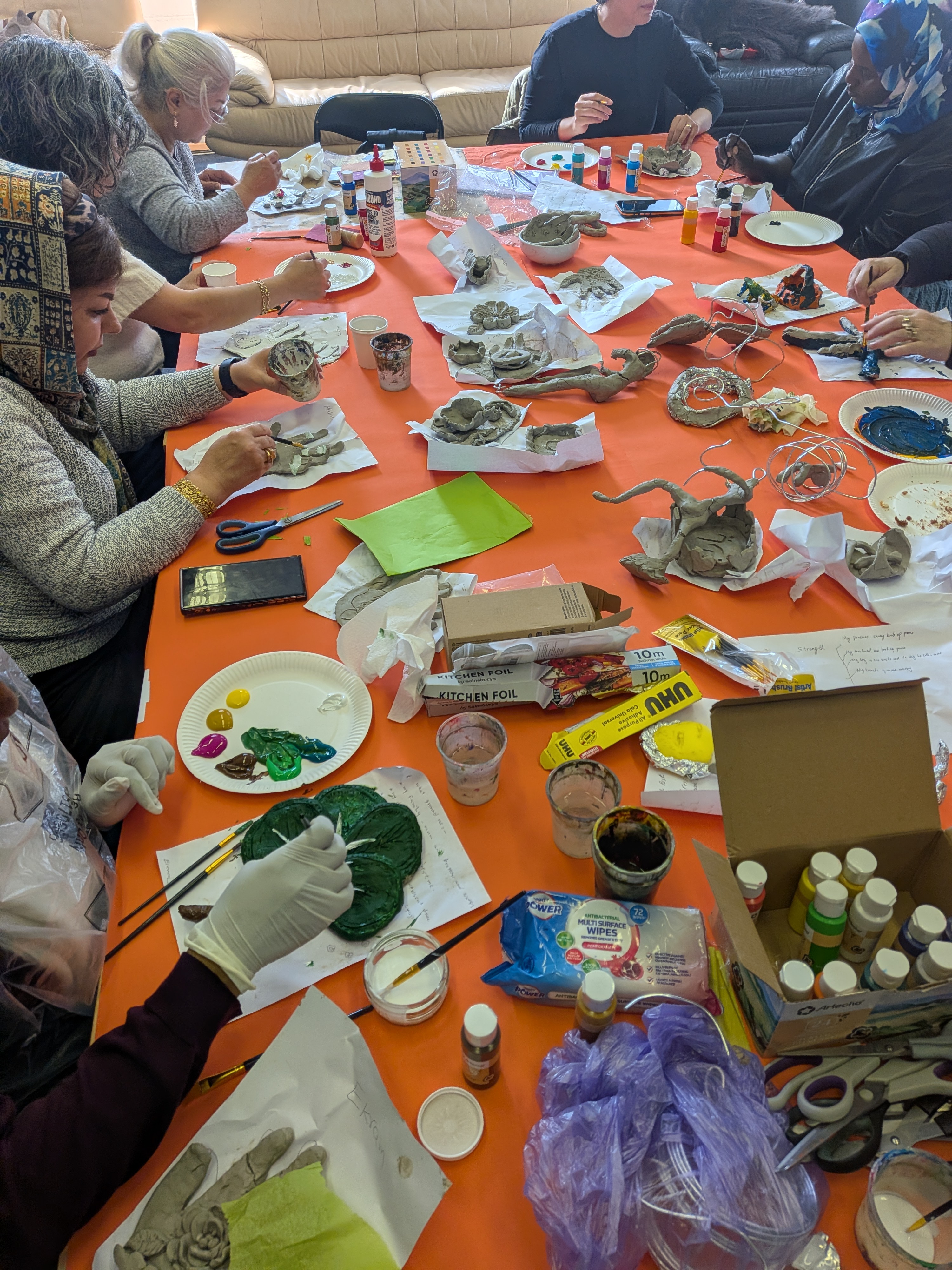
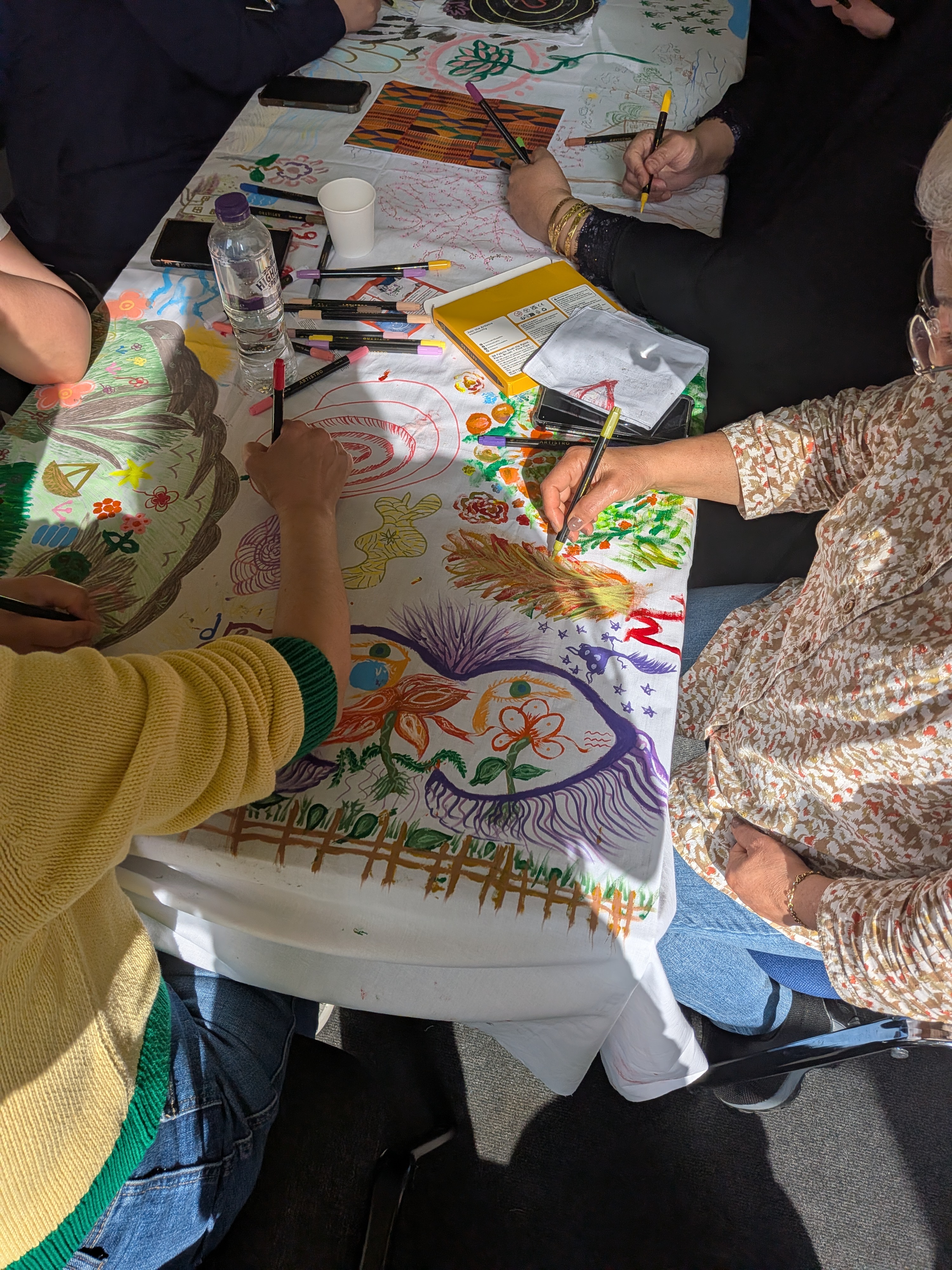
One of the most rewarding parts of the project was seeing participants take ownership of their creative journeys. Workshops were shaped by the women themselves, responding to their interests, ideas and suggestions as the programme developed. Whether someone was discovering a new material, revisiting an existing interest or sharing a skill with the group, there was space for individual creativity alongside collective exploration.
I was also delighted to lead Creative Changemakers training as part of the programme. This created an opportunity to think beyond the workshops themselves and explore how the skills, interests and knowledge already held within the group could be shared and developed. We considered what it means to create change within our own communities, recognising that people don't need to become someone else or acquire an entirely new set of skills to make a difference. Often, it starts with recognising what we already bring, building confidence in that, and finding ways to share it with others.
This has been an important reminder of why I value participatory arts practice. For me, it's not simply about facilitating a creative activity or supporting someone to make an artwork but helping nurture the conditions for people to explore, make decisions, take creative risks and recognise their own capabilities. It also means being open to learning from the people in the room, allowing a project to evolve in response to the group rather than arriving with every outcome already decided.
As Lead Visual Artist, I've been continually inspired by the creativity, generosity and individuality of the women involved. I've been reminded that there is no single way to be creative, and that sometimes the most meaningful outcomes are not the ones we set out to achieve. They emerge through the conversations, unexpected discoveries, shared moments and relationships that develop along the way.
I'm looking forward to sharing more about the work created during Freedom in Expression: Joy in Creativity when we celebrate the project with an exhibition later this month. For now, I'm reflecting on what a privilege it has been to be part of a process that has made space for creativity, connection and the many ways women express themselves.