Teaching Articulate's Creative Assistant Training
Reflecting on a joyful few days of learning, sharing, and skill-building
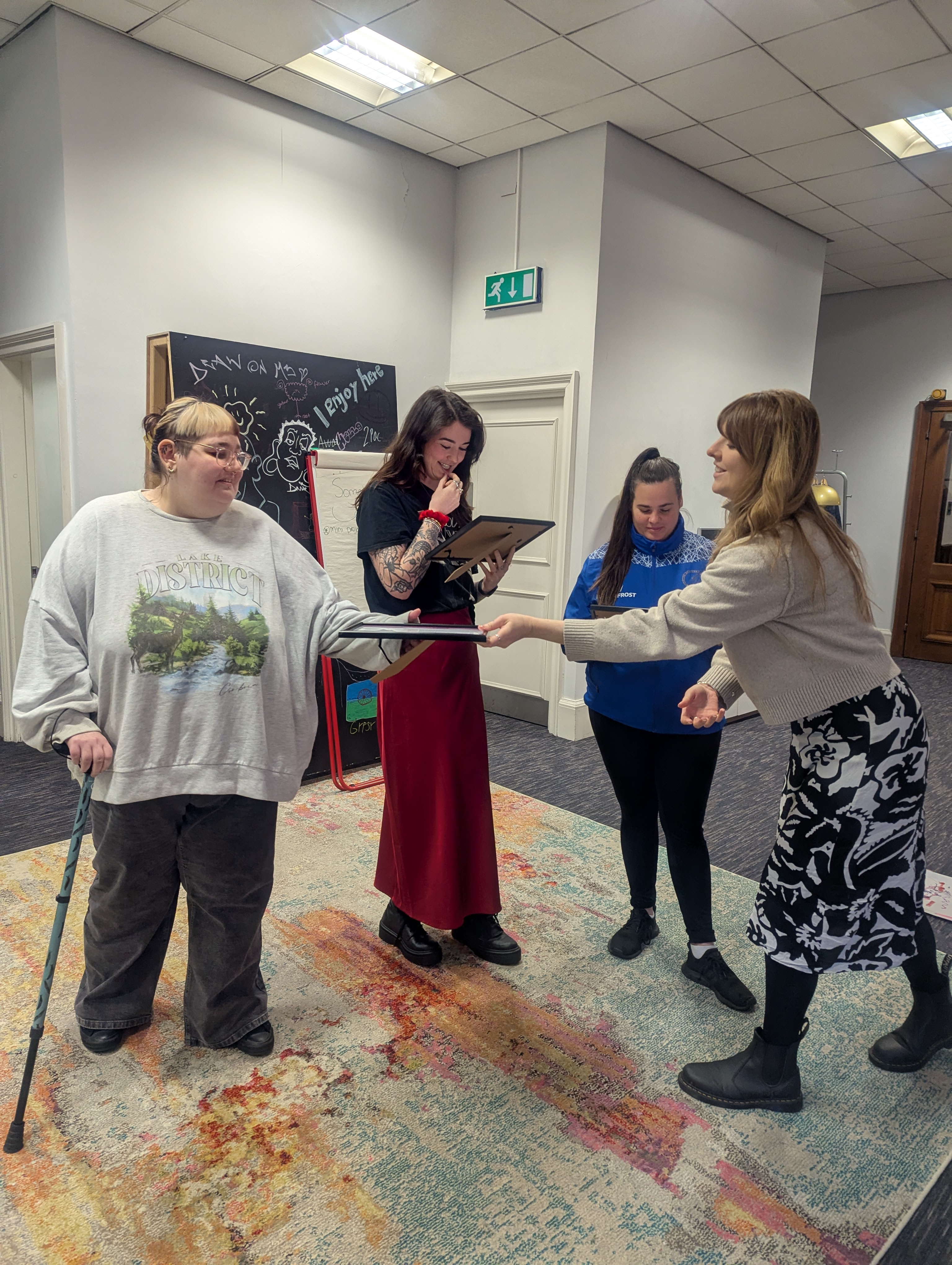
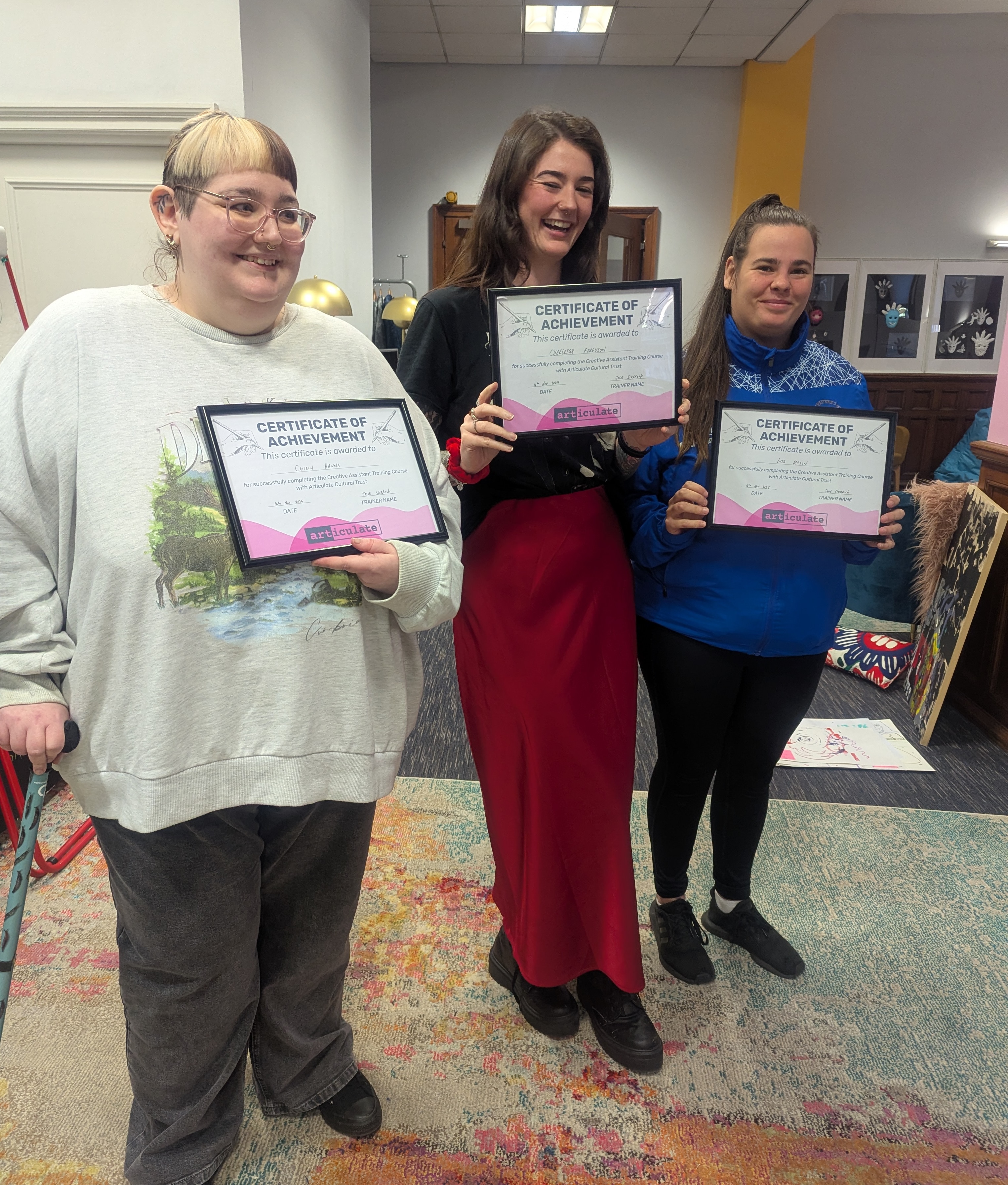
I was delighted to deliver Articulate Cultural Trust’s Creative Assistant Training this month. I’ve been a freelance artist on their books for a number of years now, usually working with primary and secondary school pupils to run workshops and creative projects. But this time, I had the chance to support young adults, three brilliant emerging creatives from across Scotland, on their journey into participatory arts delivery.
This training was particularly exciting because it’s part of a new blended approach. Alongside the in-person programme, I’ve also been working with the wonderful Sarah Longfield to develop a digital course offering. Articulate works with young people across the country, so having an accessible online resource will help remove barriers and support remote learning. But there is also something incredibly energising about bringing people together in a room: each with their own experiences, passions, and ambitions to learn, share, and build skills.
What the training is all about
The Creative Assistant programme is designed to give young people the tools to support artists delivering workshops across Articulate’s delivery pillars including Artivism, Arts & Wellbeing and more. You can read more about their overall mission and aims here. These programmes span a huge range of art forms and work with various professional artists, so giving young people the opportunity to contribute meaningfully, gain experience, and carry these skills into future creative careers is incredibly valuable.
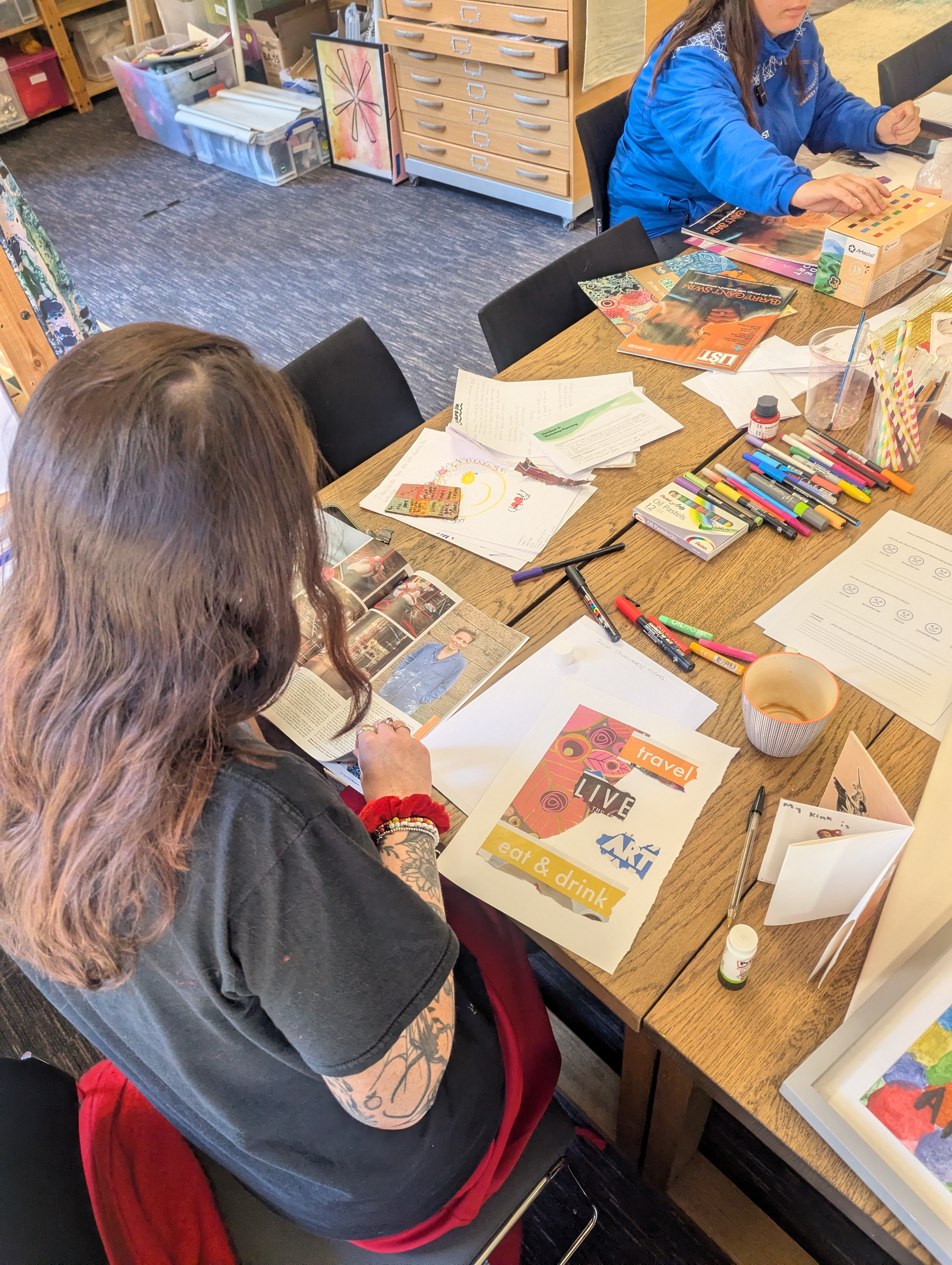
One of the best aspects of the training is the peer skills share element. Throughout the course, we explored participatory arts practice, workshop planning, safeguarding, creative evaluation techniques, and more. Then the participants used what they’d learned to plan, deliver, and evaluate their own mini-workshops in a supportive, peer-led environment. Watching them take ownership, experimenting, trying ideas out, and learning from one another, was an absolute highlight.
What the participants had to say:
“It has helped me put into words things that I felt but didn’t know how to say, like the idea of ‘doing with, doing to, and doing for’ in participatory arts projects. Not everyone is treated the same. I know how to talk about that now.”
“This has been very affirming. It has been really good Jade, thank you.”
“Really informative and useful topics and exercises. Cool ideas and inspiration for my own practice.”
“I’ve learned a lot about doing better evaluation and about using icebreakers and structuring workshops. The most useful part was learning how to lean into the ways the young people I work with think, and to do evaluation that reflects that.”
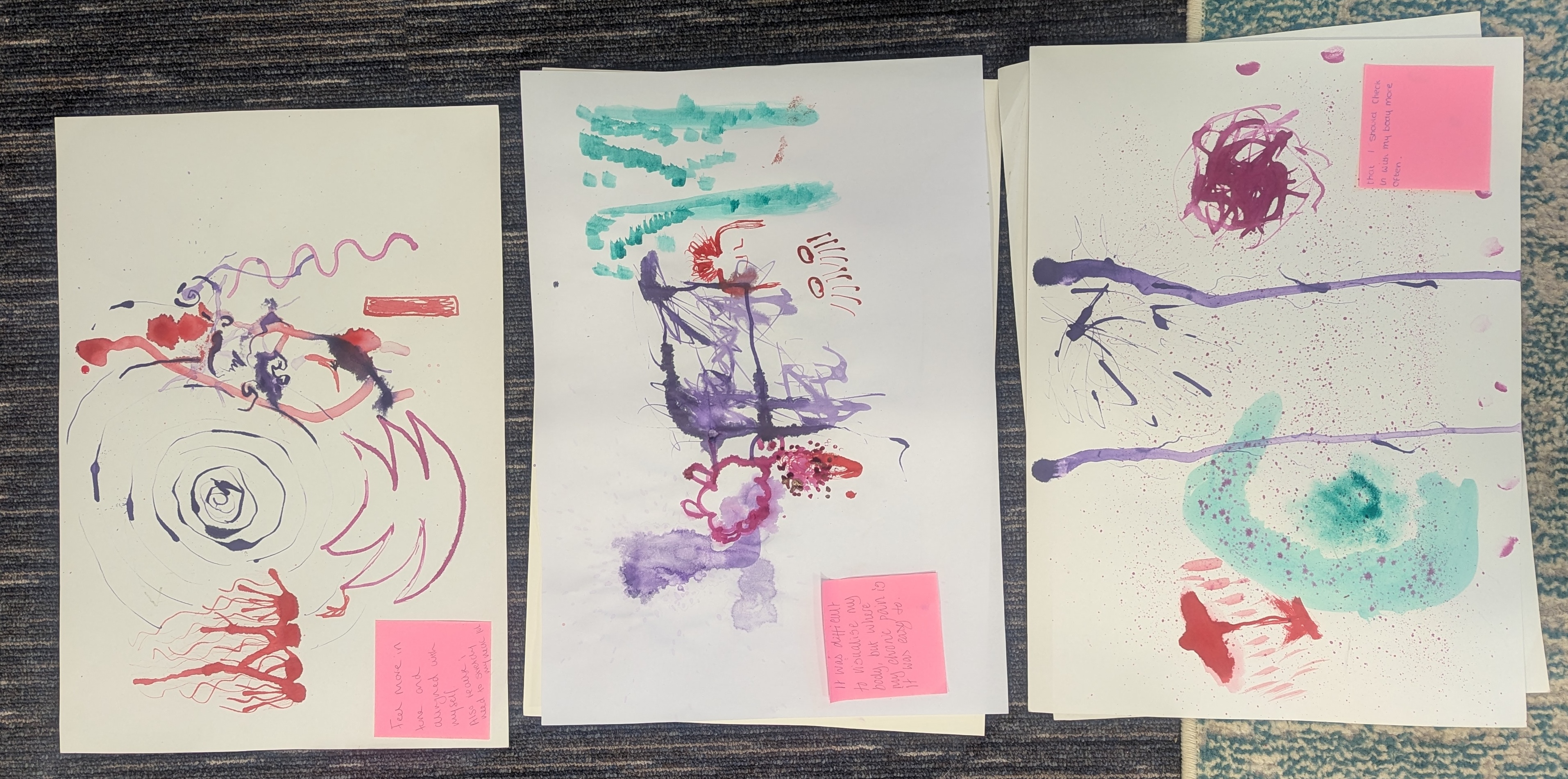
“It was useful to see practical activities like the Rainbow of Desire evaluation in action. It helped me see how everything fits together.”
“I’ve realised how useful art is for my wellbeing and mental health. Getting to try things I’ve never had the chance to explore before has been really cool.”
Their words genuinely capture the heart of why this training matters.
Why this work is essential
Scotland, and Glasgow especially, has an incredibly rich tapestry of participatory arts projects, especially those centred on young people. It’s a sector built on collaboration, care, and creativity. Supporting emerging creatives to step into this world with confidence, skills, and a sense of belonging is essential.
Investing in young artists in this way help them develop professionally and strengthens the wider arts ecology. It ensures that the next generation of facilitators understands not just what to deliver, but how to do it with empathy, clarity, and a genuine commitment to working alongside communities.
I’m grateful to Articulate for trusting me with this work, and even more grateful to the young people who brought so much curiosity, courage, and creativity to the training.